The process behind the demands

The boring (but crucial) business of navigating state and local bureaucracy in order to effect change and enforce accountability in the police shooting death of Corey Ruiz (and beyond)
Vol. 89 (special edition)
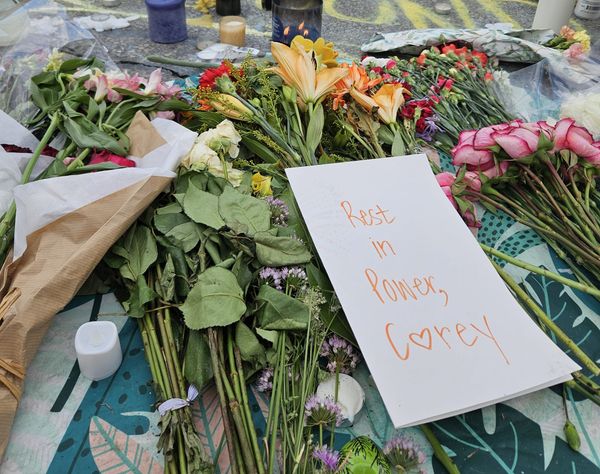
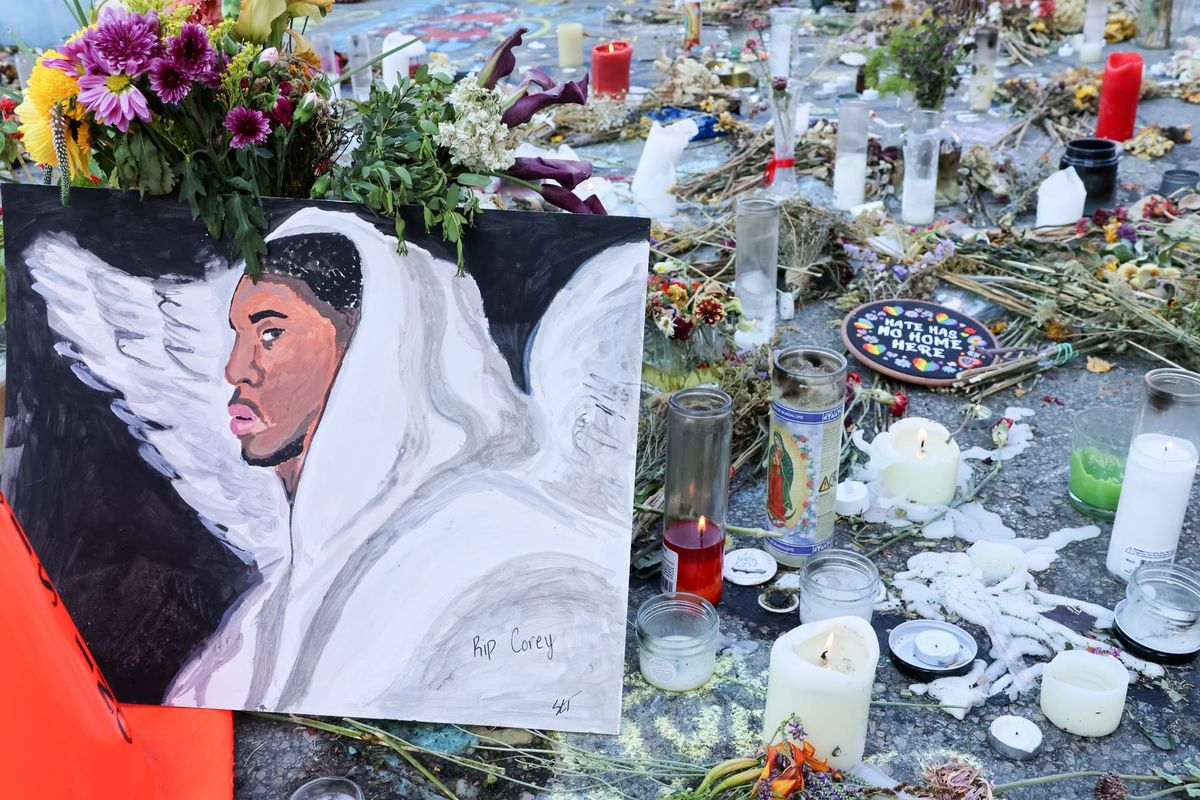
Corey Ruiz was shot and killed by a Madison Police Department officer on July 22. An outpouring of righteous grief and outrage has rightly followed. A beautiful memorial has been built at the site of Ruiz’s last moments on Earth. People have come together to share their mourning and their anger, their food and their money, their solidarity and their love. It’s a beautiful thing.
We’re now hitting the really difficult part: effective organizing to see some semblance of justice done and changes made to prevent future tragedies like this one. It’s not a new fight or cause by any means. It is a flashpoint for renewed action.
I’ve seen a lot of demands made from many different people and groups. There are some common themes and threads but also some confusion around where to put our energy and when/how. The following is my humble attempt to gather what I’ve seen from the family of Corey Ruiz and central organizers/protesters/activists, and to offer an overview of the current state-of-play so that, I hope, we can better strategize for where to put our time and energy in a way more likely to make meaningful progress.
This does not by any means represent all of the demands/goals of those involved, just ones that seem key in this moment and most challenging to navigate. I hope it’s useful. I am very much open to input, corrections, additions, etc. and to updating and further distributing this guide if it’s at all wanted.
There’s a lot of wonky policy, law, and process stuff to work through. I’ve relied on input from a variety of very smart and engaged people in Madison who have a far better understanding of it than I do, whether as activists and organizers and/or as members of some of the bodies mentioned below. Thank you to everyone who works so hard every day on behalf of our city and communities. Those efforts can often feel thankless and even like they put a target on your back. I hope we can all remember each others’ humanity and worth even when we disagree on the particulars.
The long and the short of it is that we need to understand the current landscape of state and local laws and procedures, powerbrokers, gatekeepers, and so forth–with all the maze-like pathways to making change–if there’s any hope of winning the demands being set out.
Should we also talk about changing the process and the law in the future to work for the people in a far more transparent and equitable way? Absolutely yes. But let’s start with the right now:
DEMAND: Charge and arrest the cop who shot and killed Corey Ruiz.
PROCESS:
- District Attorney Ishmael Ozanne is the only person with the ability to charge and order the arrest of Kiel Peterson, the officer who shot and killed Ruiz. He can’t do that, however, until the criminal investigation has been referred to him by the Wisconsin Department of Justice’s Division of Criminal Investigation (DCI). That agency is overseen by Attorney General Josh Kaul. The first pressure point is to insist that Kaul refer that report, and/or any current evidence thus far gathered, to the DA’s office as soon as possible.
- We should also demand that the DCI give regular status updates about the investigation and preserve all gathered evidence for release to the public upon its completion.
- Contact form for the AG: https://wi.accessgov.com/doj-wi/Forms/Page/doj-wi/contact-doj/1
- Next, pressure should then move to DA Ozanne to file criminal charges and to explain, in detail, the reasons and process behind the final decision in the case. He has a very poor record of deciding to bring charges against police. This will take sustained public education and pressure from a diverse coalition of people and organizations to (hopefully) ensure transparency, speediness, and the outcome we want to see. It may also be worth thinking about finding and elevating a candidate to challenge Ozanne in his next election who will be most committed to holding police accountable.
- DA office contact info: https://da.danecounty.gov/About/Contact
DEMAND: MPD and DCI to be in full compliance with the Office of the Independent Police Monitor’s investigation (OIPD).
PROCESS:
The OIPD in Madison has begun its own investigation into the killing. The OIPD does not have the mandate to do its own/be involved in the criminal investigation. It does have the ability to dig into MPD’s policies and tactics, among other things, and determine whether or not the officers involved in the incident followed the department’s rules. Right now, they have no access to any evidence or information gathered by JDCI in their criminal investigation. This is another pressure point for future action: changing state law/process to allow local police oversight offices to have access/involvement in state investigations that involve local police departments. That will require action in the Legislature by our elected representatives in the Assembly and Senate (and, more to the point, breaking the Republican stranglehold that’s existed there for over a decade).
This also means fighting to ensure the OIPD has a proper budget and the independence to do its work well. Thankfully, the Madison Common Council recently backed off on proposed amendments that would have muddied that independence. However, there still needs to be work done to enforce OIPD’s current mandate and ensure full cooperation by MPD with any investigation. Pressure points: Alders and the Mayor’s office.
DEMAND(S): The Civilian Oversight Board must have disciplinary power over police & fire Officer Kiel Peterson.
PROCESS:
Currently, only the Police & Fire Commission can order the firing (or discipline) of a particular officer. The commission is independent of both MPD and MDF and is made up of 5 people who are appointed by the mayor. You can read the rules for how they go about it here.
Giving the COB the same power (or moving it from the PFC to the COB) will require a change in city ordinance via the Common Council, if that’s the route that the majority ultimately wants to take.
In the meantime, the PFC is the pressure point for firing Officer Peterson, who is currently on administrative leave with pay pending the outcome of DCI’s criminal investigation. The leave-with-pay process/status is enforced by the police union contract with the city.
DEMAND: Defund the police.
PROCESS:
This is a big one. Wisconsin wrote police funding into law in 2023 with the passage of Act 12. The law states that municipalities must certify annually that they have maintained law enforcement services and budgets at a level that’s at least equivalent to the previous year.
If a municipality like Madison were to decrease police funding and services in its budget, right now, the law provides a penalty where county and municipal aid provided by the state is automatically reduced by 15%. That represents a massive cut in funding for other vital services.
Overturning or amending Act 12 will take concerted effort to raise awareness, change minds, and convince state lawmakers and the governor to pass and sign. I’d argue that it’s essential that we push toward this as a longer-term strategy and goal (and help dispel some of the instinctual panic many people feel when they hear “defund the police” by offering clear, engaging education around what that would actually mean/look like).
***This requires action and major changes by the Legislature and Governor. That means statewide organizing and education around the issue, and electing representatives and a governor who support the idea (or are at least potentially swayable).
- VOTE: Statewide primary is Tuesday, August 11 and the general election is Tuesday, November 3. Make sure you and yours are registered and have a plan to vote, know where your polling place is, and what’s on the ballot.
- The work doesn’t begin and end with elections. We have to keep engaged with our elected representatives and communities year-round, show up to meetings and hearings, send letters and make phone calls, etc. Democracy is a verb.
Shifting where and how we prioritize where our money goes to support community-based harm reduction and repair systems, housing, food security, and so forth benefits those most in need most directly but it also benefits everyone. If Corey had a safe place to lay his head and access needed services while navigating his struggles, it’s likely none of this would have happened in the first place. If the response to him hadn’t involved uniformed, gun-carrying, qualified-immunity-toting police officers but trained mental health professionals and/or outreach peers, it’s even more likely that things would not have escalated as they did and resulted in anyone’s injury or death.
I’m not fooling myself into thinking any of this will be easy, but neither am I fatalistic about the possibility for real change. If enough people share the same goals and decide to work and organize together, day after day, across disagreements and misunderstandings, just about anything is possible. Those of us who can already see these possible new futures have a responsibility to help others see them, too. That means offering clear, inclusive, accurate information and guidance. It means facing the hard, often complicated realities head-on. And it means making space for people to bring a wide range of skills and tactics to the table. We need people in the street as much as we need people in the meeting rooms.
A better world is out there if we’re willing to do the work together.